Why the Low Price Tag Feels So Reasonable
When you are launching a business or tightening a budget, a $300 website or a free DIY template feels like smart spending. You get something live, it looks presentable on a phone, and you can focus your money on inventory, staff, or marketing. Sensible, right?
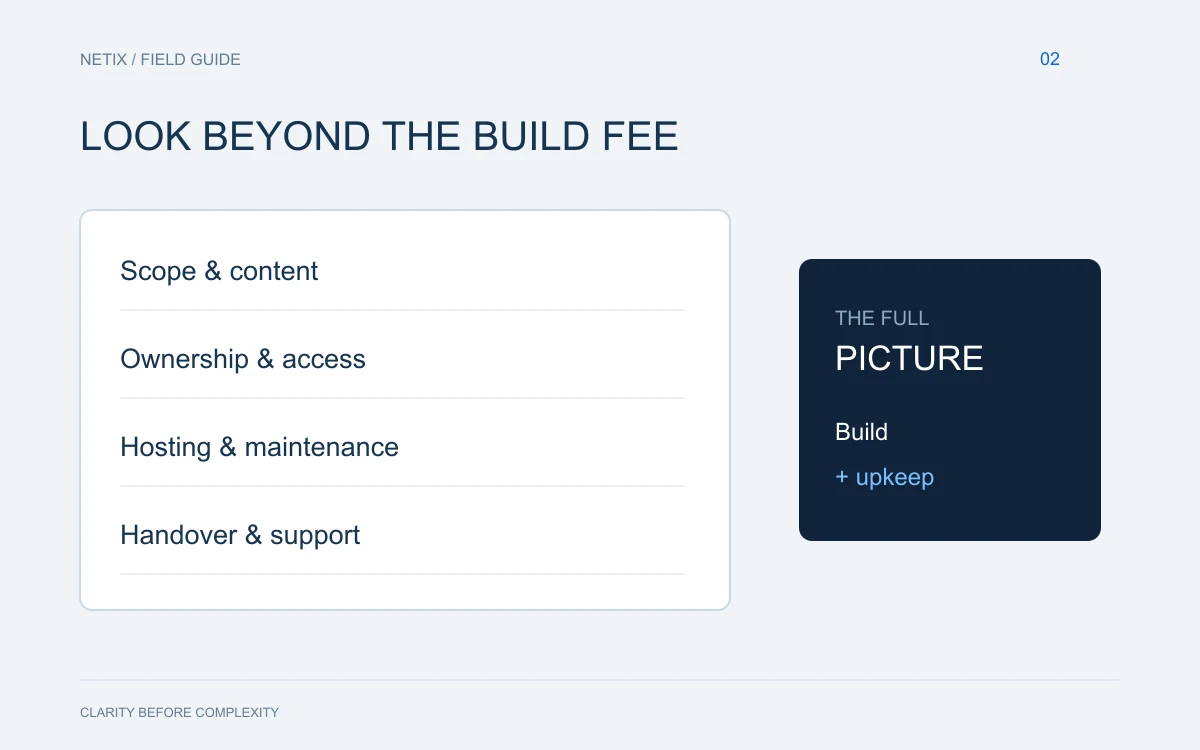
Not always. The sticker price is only one number in a much longer equation. A cheap website has a habit of costing you far more over time than a professionally built one would have cost upfront — just in ways that do not show up on an invoice.
The Hidden Costs Nobody Talks About
Lost Customers You Never Knew You Had
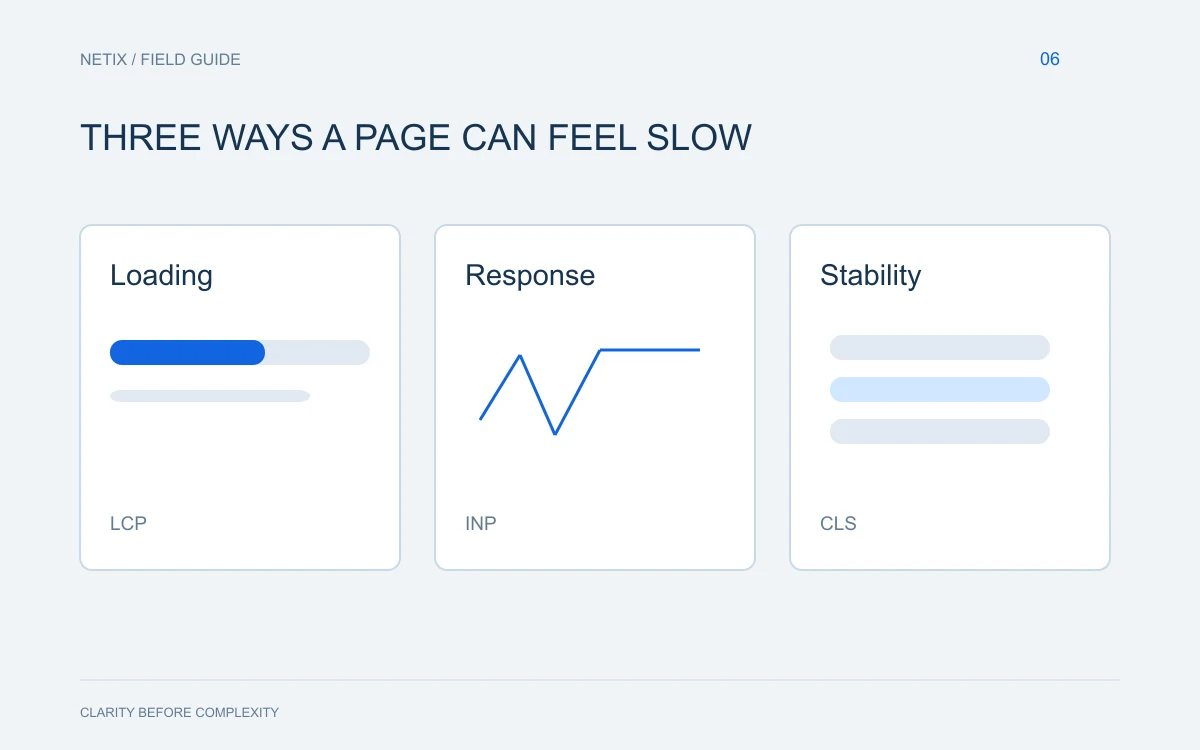
Visitors judge a website in seconds. If yours loads slowly, looks cramped on a phone, or buries your phone number under three clicks, most people simply leave. They do not call to complain. They just find a competitor. You never see that in your analytics; you only feel it as a slow month.
A professionally built site is designed so that the right visitor — someone ready to buy, book, or call — can do exactly that with minimal friction. When that friction is removed, conversion rates rise. Even a modest improvement in how many visitors take action can outperform years of savings on a cheap build.
Search Engines That Cannot Find You
Search engines rank pages based on technical signals: page speed, mobile responsiveness, clean code structure, proper heading hierarchy, secure connections, and more. Budget websites and template builders frequently cut corners on all of these. The result is a site that ranks poorly, or not at all, for the search terms your customers actually use.
If your business relies on local search — and most small businesses do — this is not a small problem. A site that does not appear on the first page of results for relevant searches is essentially invisible. You can spend money on ads to compensate, but that cost compounds month after month.
Security Vulnerabilities and Downtime
Low-cost hosting and outdated website platforms are common targets for automated attacks. A hacked website can expose your customers' data, get your domain flagged by browsers, and take your site offline entirely. Recovery is time-consuming and sometimes expensive. Worse, the reputational damage with customers who land on a security warning is nearly impossible to undo.
A proper build includes maintained software, regular updates, and a hosting environment configured for security — not just the cheapest server available.
Your Own Time
Template and DIY platforms are sold as simple. In practice, small-business owners spend hours troubleshooting layout breaks, figuring out plugin conflicts, and trying to make a generic template reflect their actual brand. That time has real value. Every hour you spend wrestling with a website builder is an hour you are not spending on customers, operations, or growth.
What a Good Website Investment Actually Buys You
When you shift the question from "how little can I spend" to "where does this investment pay off," the calculus changes.
Here is where a professionally designed website earns its cost:
- A clear first impression. Design that reflects your brand builds trust immediately, and trust is the first step toward any sale.
- Speed and mobile performance. A fast, responsive site ranks better and keeps visitors engaged long enough to take action.
- Conversion-focused structure. Good design guides visitors toward contact forms, booking links, or product pages — without them having to think about it.
- Scalability. A well-built site can grow with your business. Adding a new service page, an e-commerce section, or a client portal is straightforward when the foundation is solid.
- Reduced ongoing headaches. Reliable hosting, maintained code, and a site built to standards means fewer emergencies and less of your time spent on upkeep.
Where to Direct Your Budget Instead
None of this means you need to spend a fortune. It means spending deliberately.
For most small businesses, the right approach is a focused, professionally built site — maybe four to eight pages — that does its job extremely well. A homepage that converts, a services page that answers real questions, a contact page that removes every obstacle. That is more valuable than a sprawling site with weak execution.
If budget is genuinely tight, here is a practical approach:
- Start smaller, but start right. A lean professionally built site beats a large DIY one. Get the foundation correct.
- Invest in local SEO from day one. A good developer can build search-friendly structure into the site so you are not paying to retrofit it later.
- Choose sustainable hosting. The few extra dollars a month for reliable, secure hosting prevent far more expensive problems.
- Plan for growth. Tell your developer what you want the site to do in two years. Build toward that, even if you launch with less.
The Question Worth Asking
Before you choose a website vendor, ask: what is the cost if this site does not work? If your answer involves missed customers, poor search rankings, or reputation risk, that number almost certainly dwarfs whatever you saved on the build.
The real cost of a cheap website is not what you paid — it is what you did not earn because of it.
Netix Solutions works with small businesses nationwide to build sites that are fast, secure, and designed to bring in real customers. If you want a straightforward conversation about what your business actually needs — and what it would cost — reach out to the Netix team. No pressure, no jargon, just a practical look at your options.