The Problem With One-Size-Fits-All
Every public safety agency operates differently. A county sheriff's office has different reporting chains than a city police department. A combination fire district — part career, part volunteer — has scheduling and response workflows that a purely career department doesn't share. A regional 911 center serving multiple jurisdictions has data-sharing requirements that no single vendor seems to anticipate cleanly.
Yet for decades, the default answer to software needs in public safety has been the same: buy the big suite. Pick one of the major vendors, sign a long-term contract, and then spend months — sometimes years — trying to bend your agency's actual processes to fit the software's logic instead of the other way around.
The frustration is familiar to almost every chief, IT director, and city manager who has sat through a vendor demo. The platform looks impressive. Then you go live, and you discover the records-management module doesn't map to your state reporting requirements without a costly customization add-on. The dispatch integration works, but only if you abandon the CAD fields your dispatchers have used for a decade. The mobile app for field units is technically available, but it runs slowly on the tablets your budget actually covers.
A growing number of agencies are deciding there is a better path.
What "Custom" Actually Means in This Context
When agency decision-makers hear "custom software," many picture a years-long project, a massive budget, and a team of contractors who disappear the moment the check clears. That concern is understandable, but it reflects an older model of software development.
Modern custom development — done by a partner who works in close collaboration with your team — looks very different. It typically starts small and targeted: one workflow, one gap, one pain point that your current system handles badly or not at all.
For public safety agencies, common starting points include:
- Records-management add-ons that handle state-specific reporting fields your off-the-shelf RMS ignores or requires manual workarounds to accommodate
- CAD integration layers that let your computer-aided dispatch system share data cleanly with neighboring agencies or other internal platforms
- Incident and after-action reporting tools built around the specific templates your agency actually uses, not a generic national standard that requires reformatting before submission
- Mobile field apps designed for the devices your personnel carry and the connectivity conditions they actually encounter
- Internal dashboards that pull data from multiple systems — CAD, RMS, personnel, asset management — into a single view that supervisors and command staff can actually use
None of these require replacing your entire technology stack. They work alongside what you already have, filling the gaps.
Why the Shift Is Happening Now
Several forces are pushing agencies toward custom development at the same time.
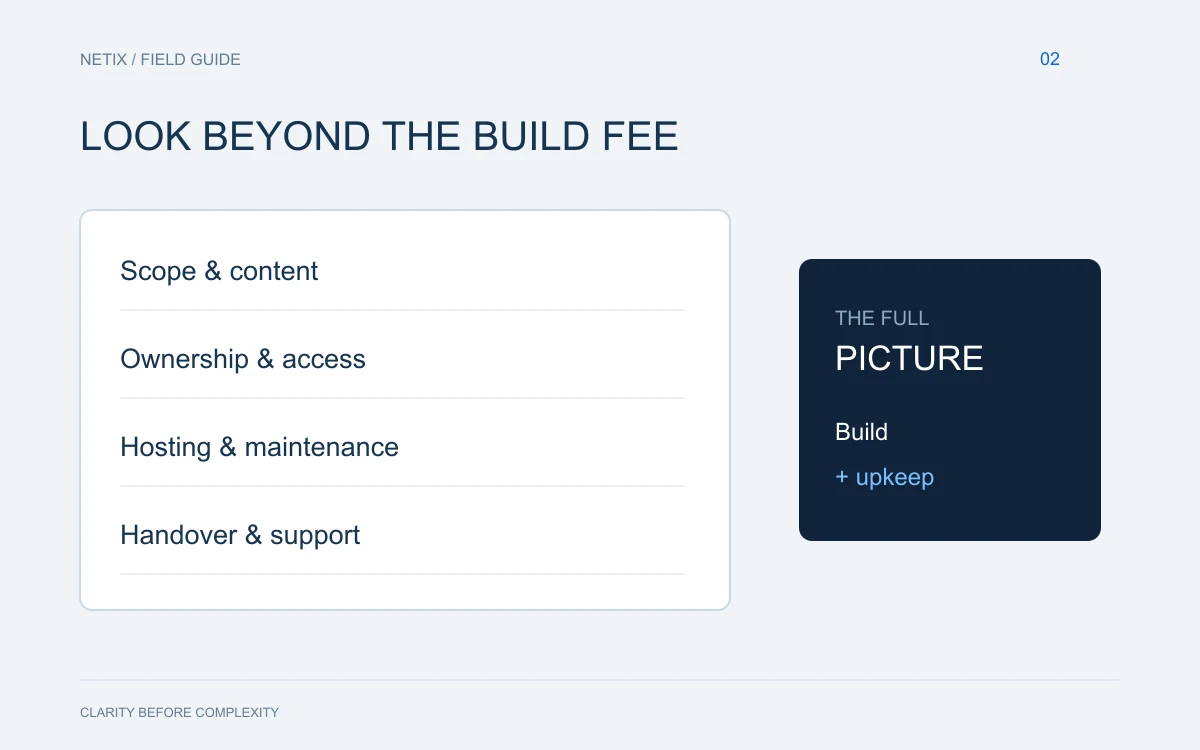
First, the cost equation has changed. Licensing fees for major public safety platforms have climbed steadily, and agencies increasingly find themselves paying for modules and features they don't use in order to access the ones they need. When the true annual cost of a large suite is compared against a focused custom tool that solves a specific problem permanently, the math often favors the custom build.
Second, interoperability pressure is real. Mutual aid agreements, regional data-sharing initiatives, and state-level reporting mandates are multiplying. Off-the-shelf systems that were designed to be self-contained often handle these requirements awkwardly, requiring manual data entry, CSV exports, or expensive vendor-built connectors. A custom integration layer can solve in weeks what a vendor contract negotiation might not resolve for years.
Third, agency workflows have matured. Departments that have lived with the same platform for eight or ten years know exactly where it falls short. They have precise answers to the question "what do you actually need?" — which is exactly the information a good development partner needs to build something useful.
What to Look for in a Development Partner
Not every software shop understands the operational environment of a 911 center or a fire department. Before engaging any developer, agency decision-makers should ask a few pointed questions.
Does the team have experience with public safety data structures — CAD records, NIBRS/LIBRS reporting formats, NFIRS, NEMSIS? Do they understand chain-of-custody considerations for law enforcement records? Can they describe how they handle security requirements for systems that touch sensitive data?
Equally important: do they insist on spending real time with your dispatchers, your records clerks, your shift supervisors — the people who will actually use the tool — before writing a line of code? The best public safety software is built from the ground up around how your personnel work, not around how a developer imagines they work.
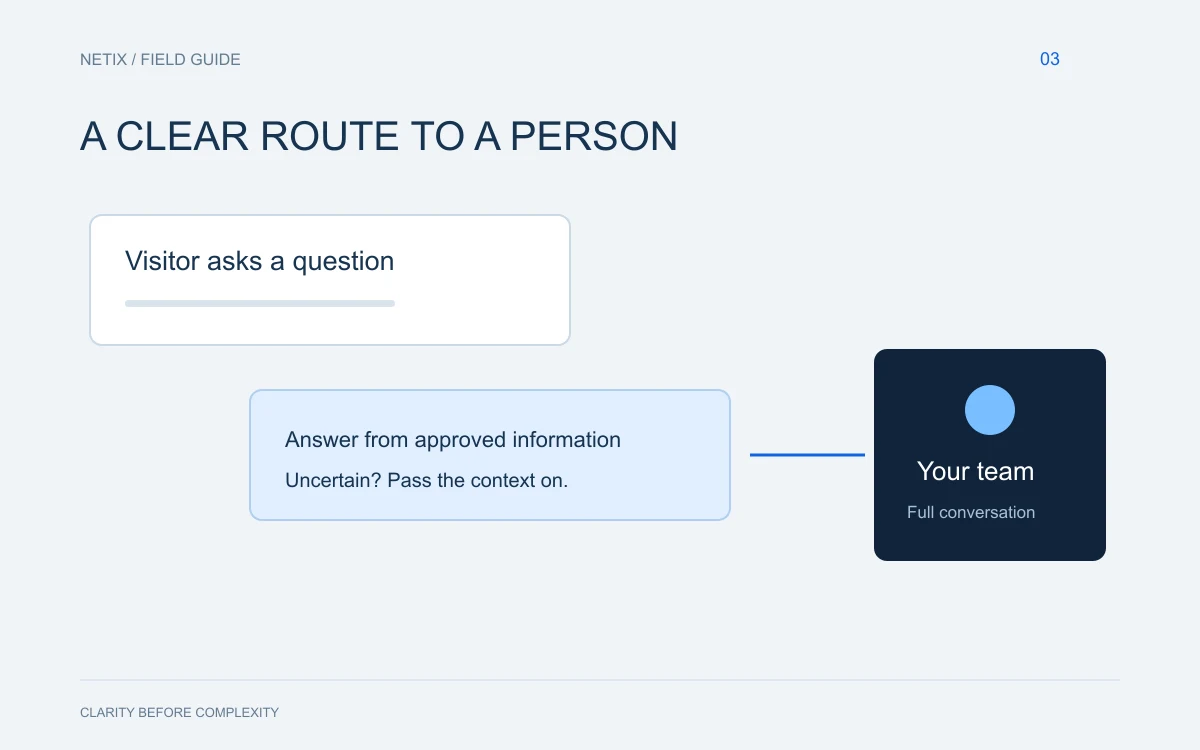
Finally, what does ongoing support look like? Public safety systems do not get to have downtime during a major incident. Your development partner needs to be reachable and responsive, not a ticketing queue that resolves issues in business days.
A Practical First Step
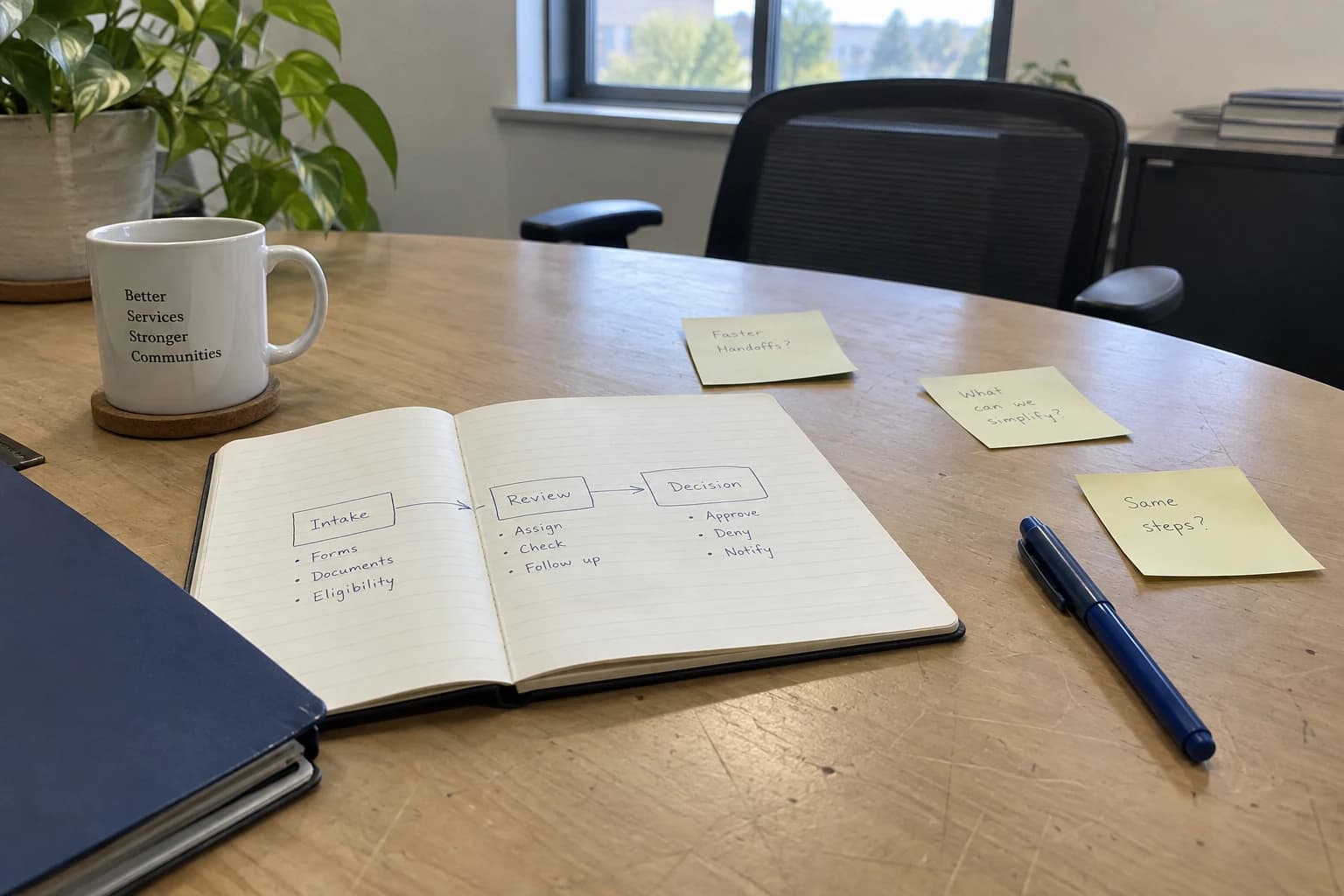
The most useful thing an agency can do right now is document one specific workflow that your current software handles badly. Not a wish list — one workflow. Describe what happens today, where personnel lose time or resort to workarounds, and what a better outcome looks like. That document is the foundation of a productive conversation with a development partner.
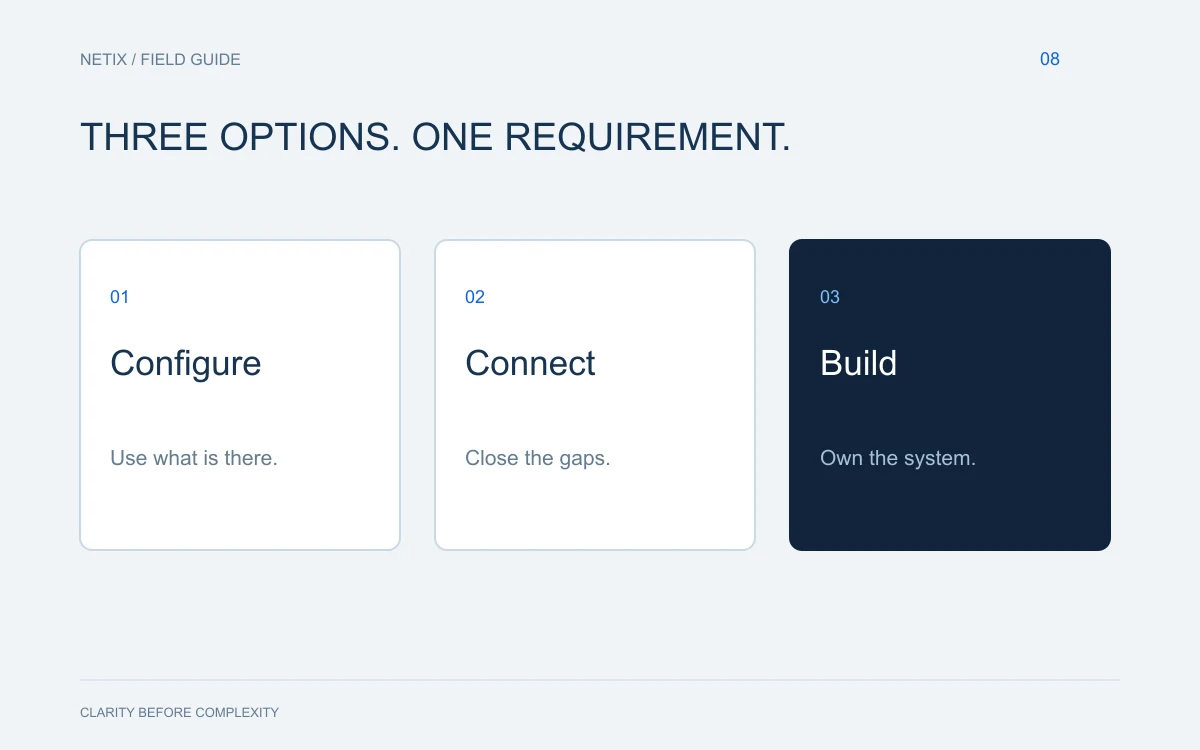
If the problem is solvable with a focused custom tool, a good partner will tell you so clearly and give you a realistic scope. If it turns out your existing platform can be configured to handle it without custom development, an honest partner will tell you that too.
How Netix Solutions Can Help
Netix Solutions builds custom software for public safety agencies — police departments, fire districts, EMS providers, 911 centers, and emergency management offices. We specialize in exactly the kinds of targeted tools described above: CAD integrations, records-management extensions, after-action reporting systems, field mobile apps, and command dashboards that connect the systems you already operate.
We are based in Albuquerque, New Mexico, and partner with agencies nationwide. Our process starts with your workflows, not ours.
If your agency has a gap that your current software isn't filling, we'd like to hear about it. Reach out to the Netix Solutions team to start a straightforward conversation about what a custom build might look like for your department.